
Timeless • Cinematic • Emotional
Asian Wedding
Photographer
Birmingham
Award-winning photography and cinematic wedding films for Sikh, Hindu, Muslim, Indian, Christian, civil and fusion weddings across Birmingham, the West Midlands, London and worldwide.
Award-Winning Photography
Asian Wedding Photography
You Can Trust
When searching for an Asian wedding photographer in Birmingham, you deserve more than beautiful images. You deserve a photographer fluent in your traditions, present at the right moments, and invisible at the sacred ones.
At Ikonic Media Solutions, lead photographer Diven Laxman brings 20 years of South Asian wedding expertise - an experienced Asian wedding photography and film studio, trusted by families across Birmingham, Solihull, Wolverhampton and the West Midlands.
- 5.0 average from 150+ Google reviews
- Specialists in Sikh, Hindu, Muslim & Christian weddings
- Full photo & video packages - one team, one style
- Coverage from Birmingham to Warwickshire and beyond
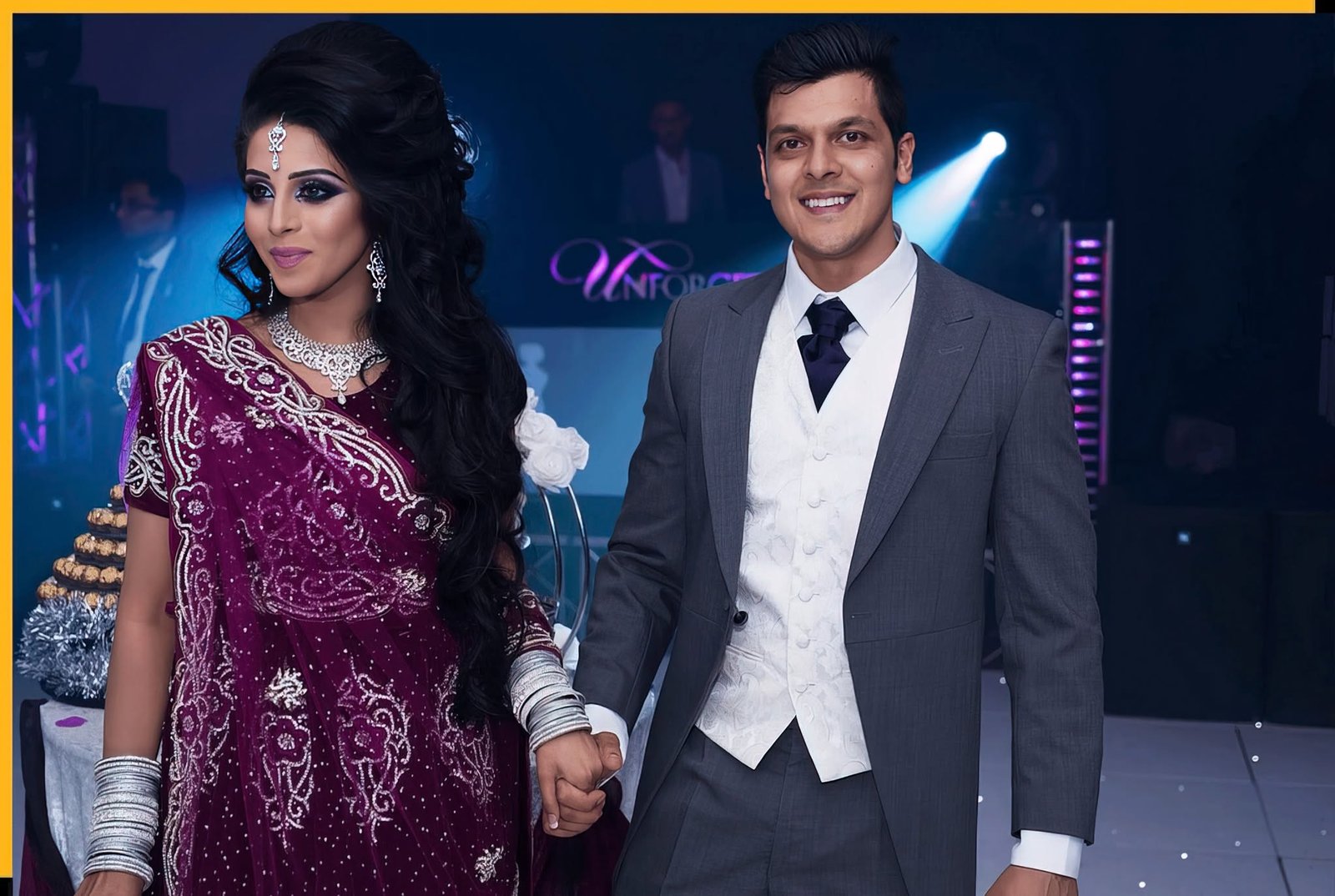
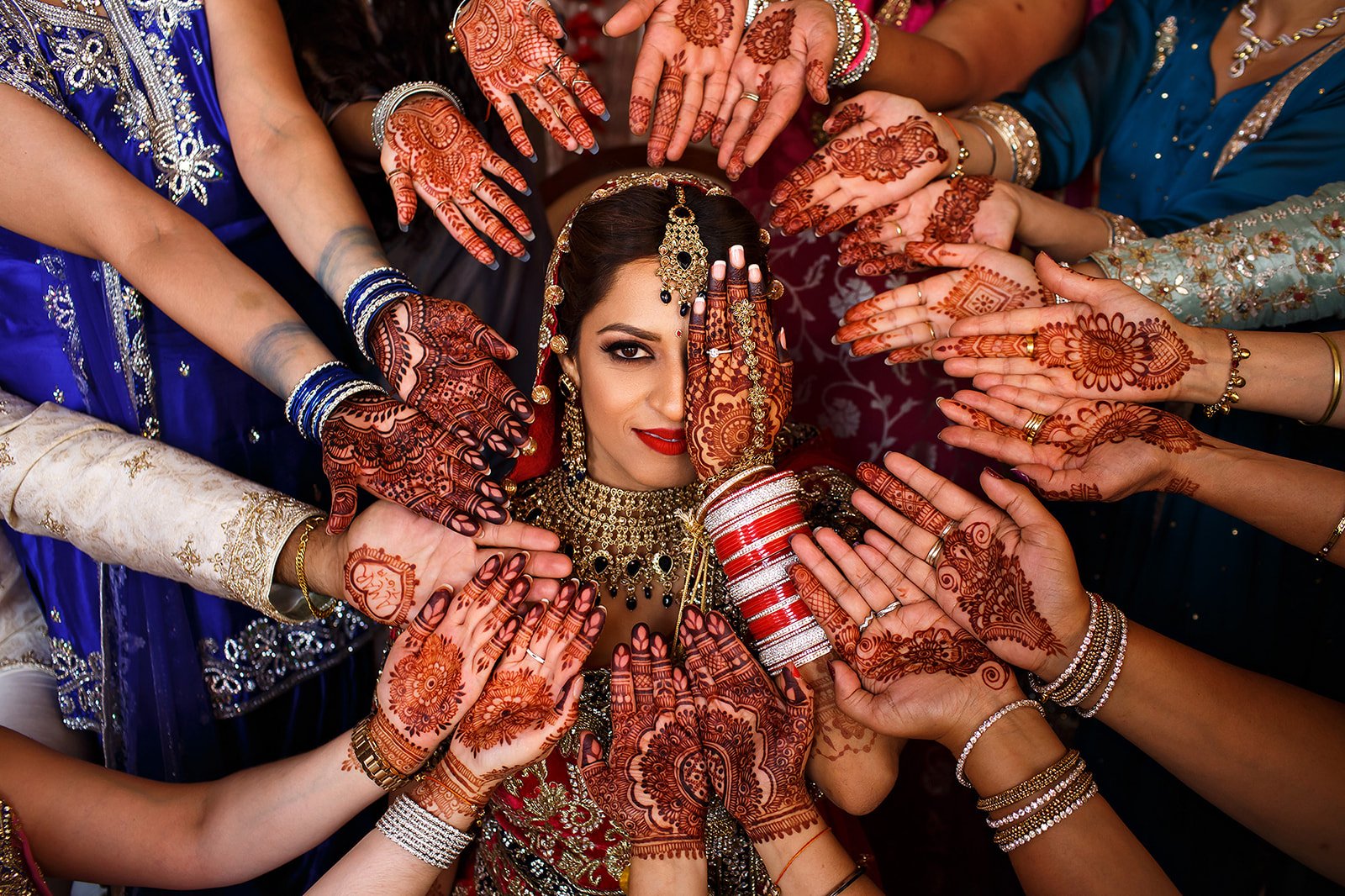
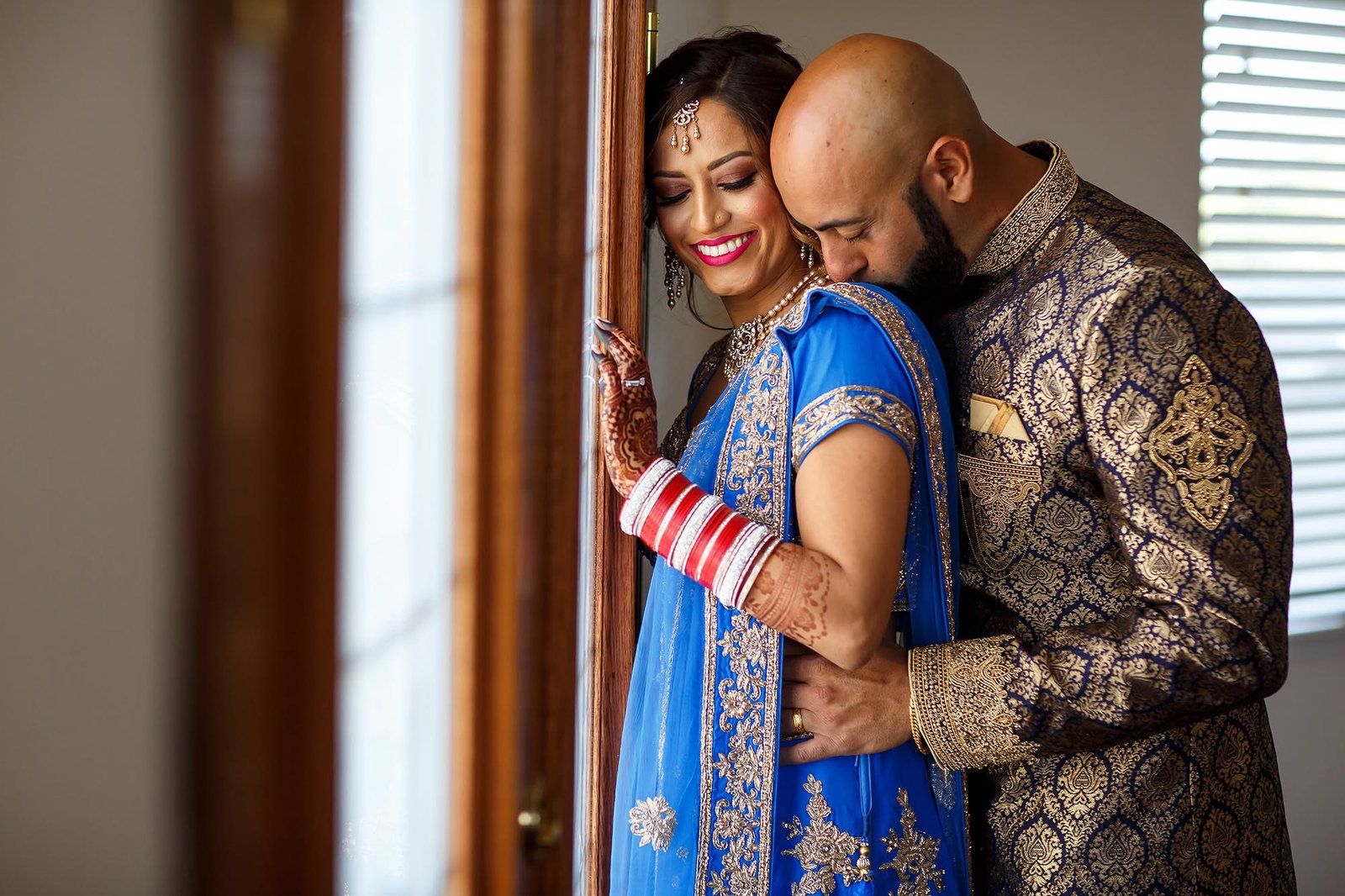
Check Your Date
Tell Us About Your Wedding
Share your date, venue and the celebrations you are planning. We will check availability and reply with the right photography and film options for your day.
No obligation • Personal reply • Your plans stay private
Form not loading? Open the enquiry form.
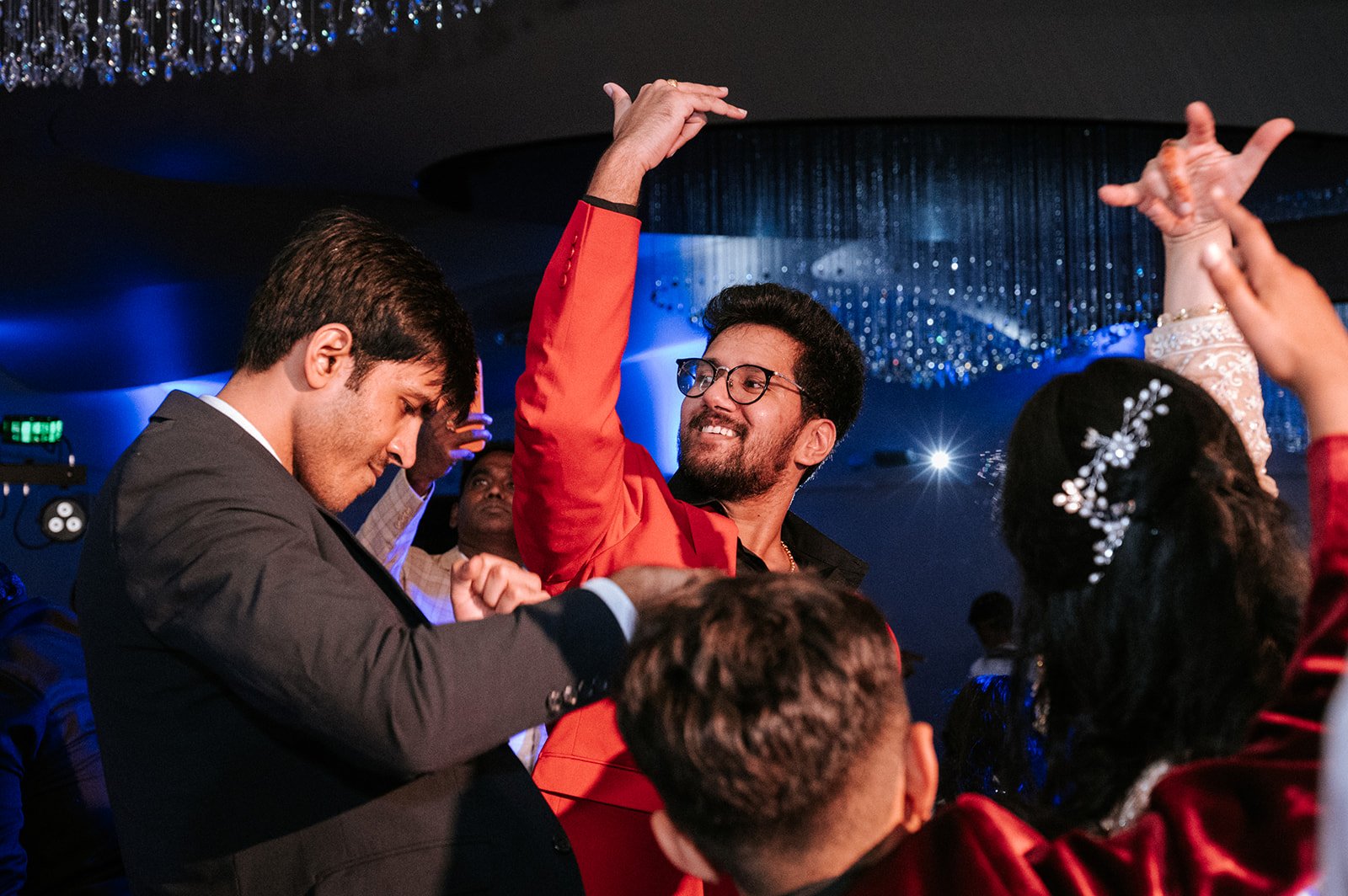
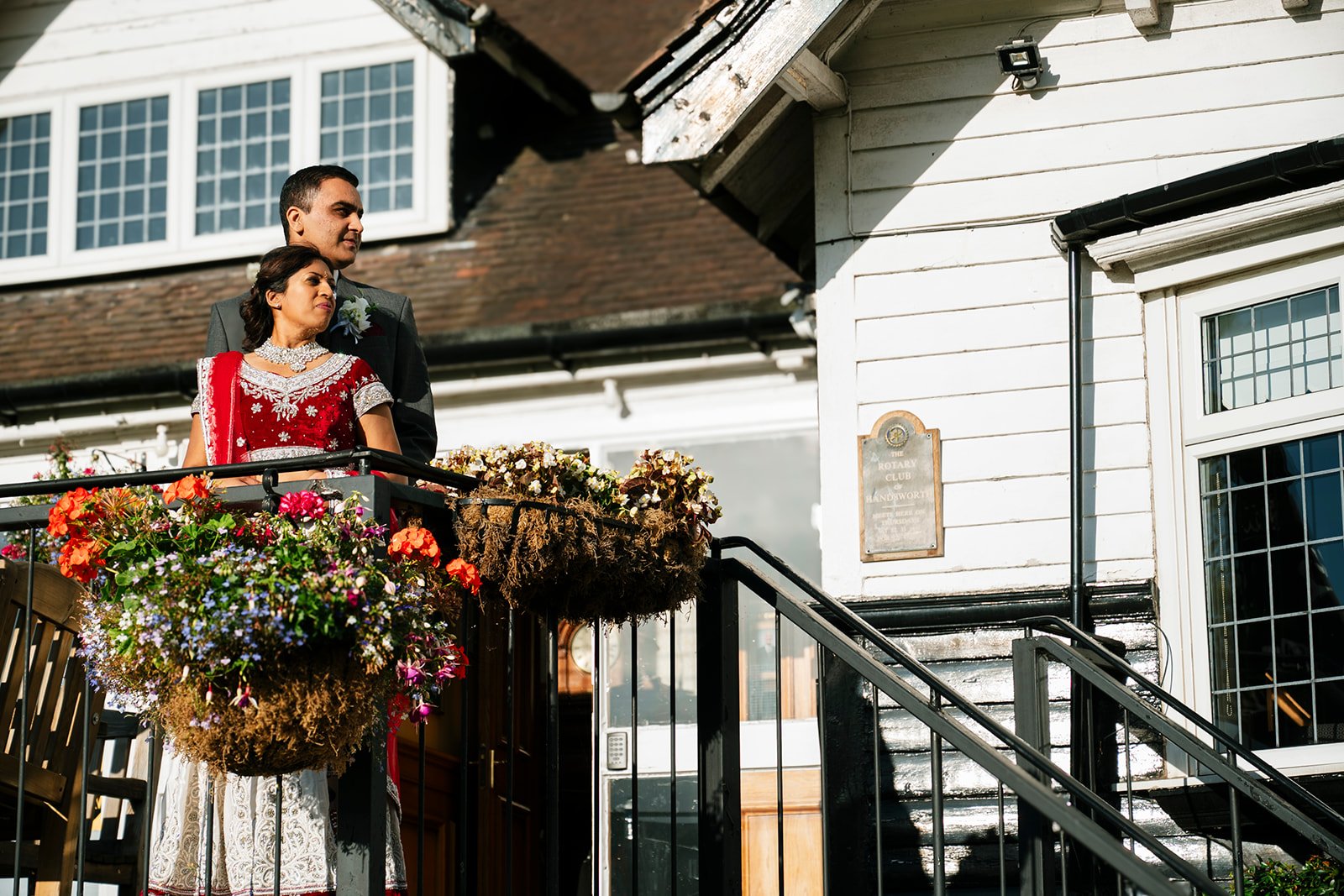
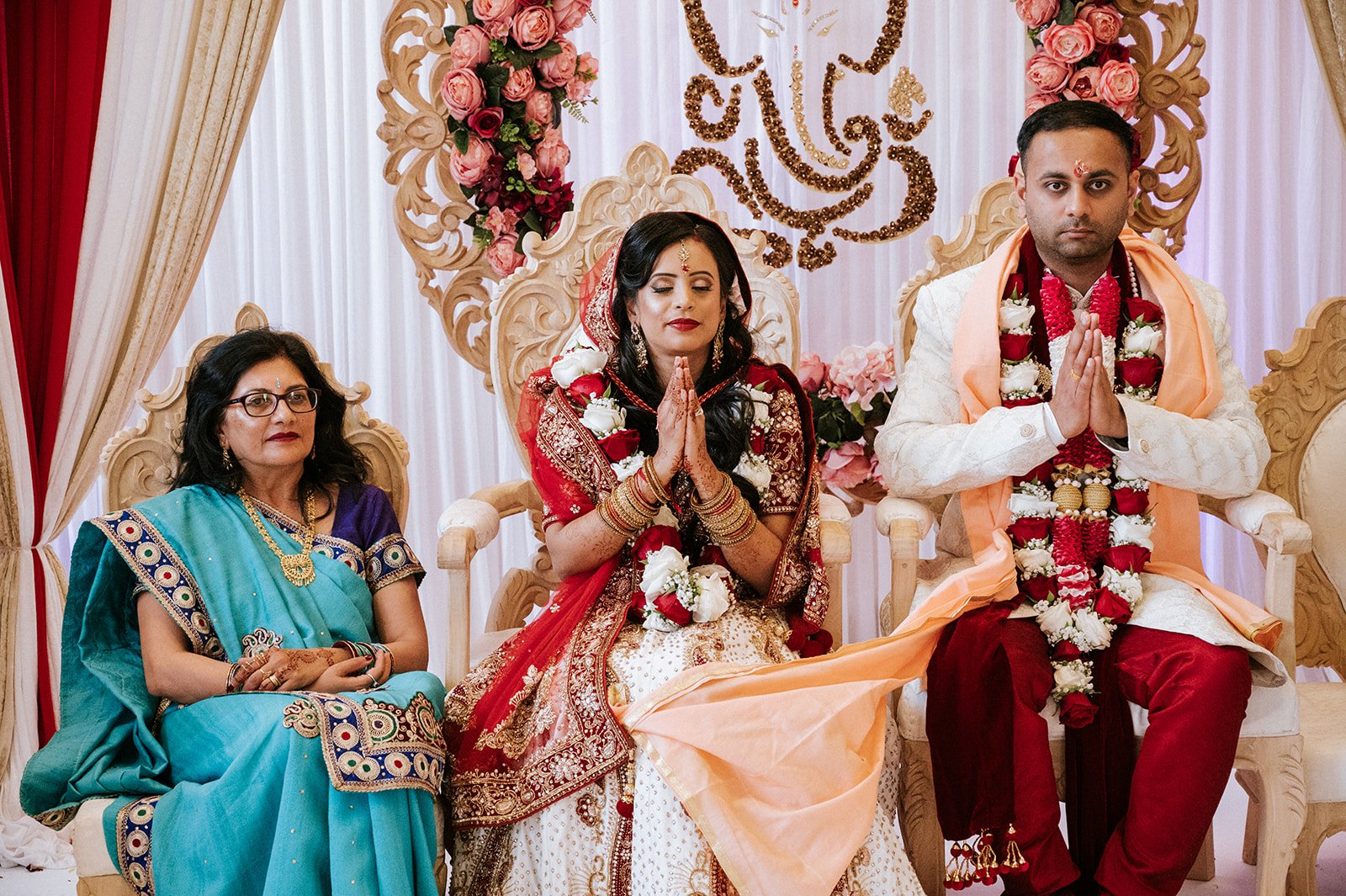
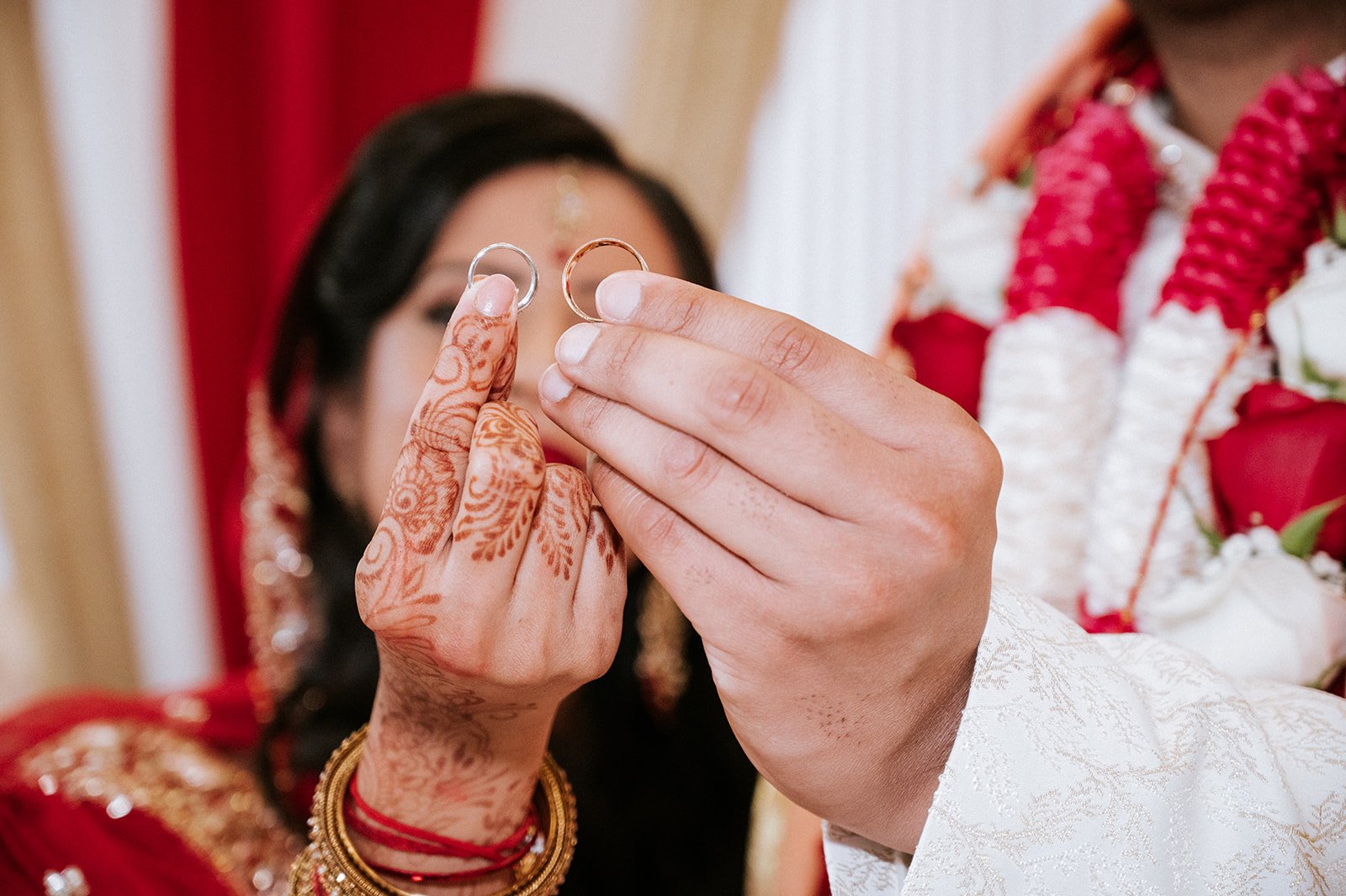
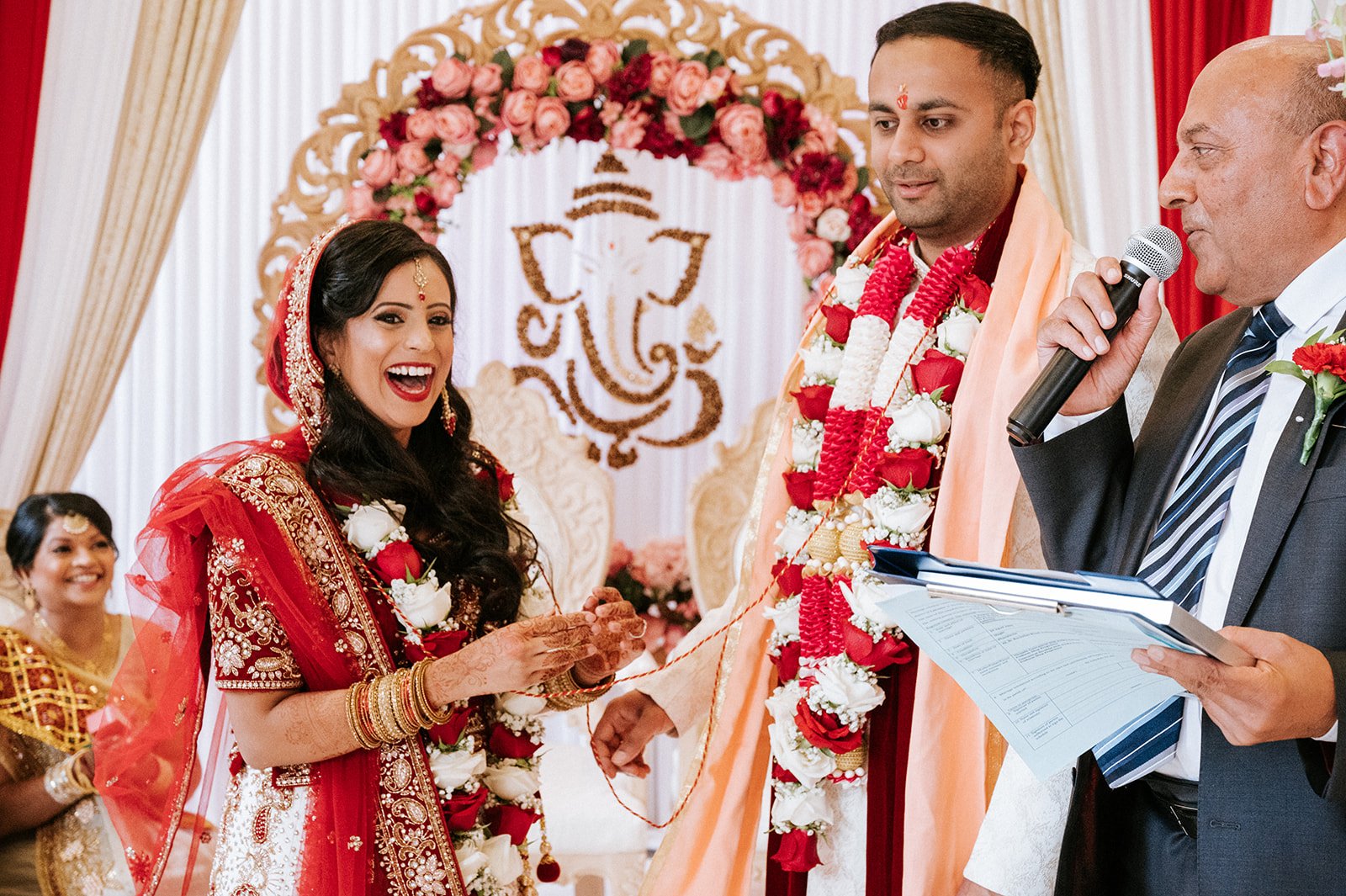
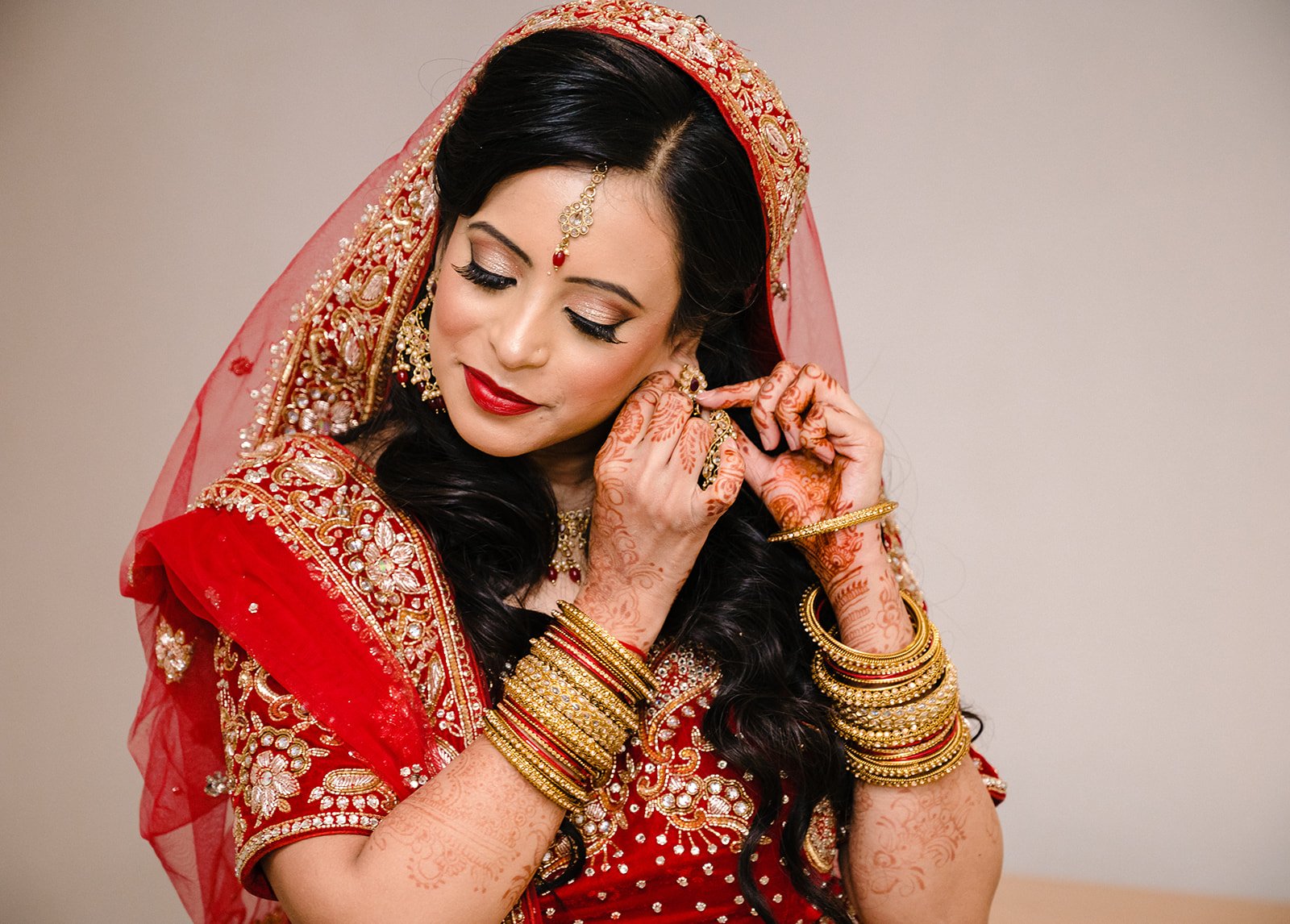
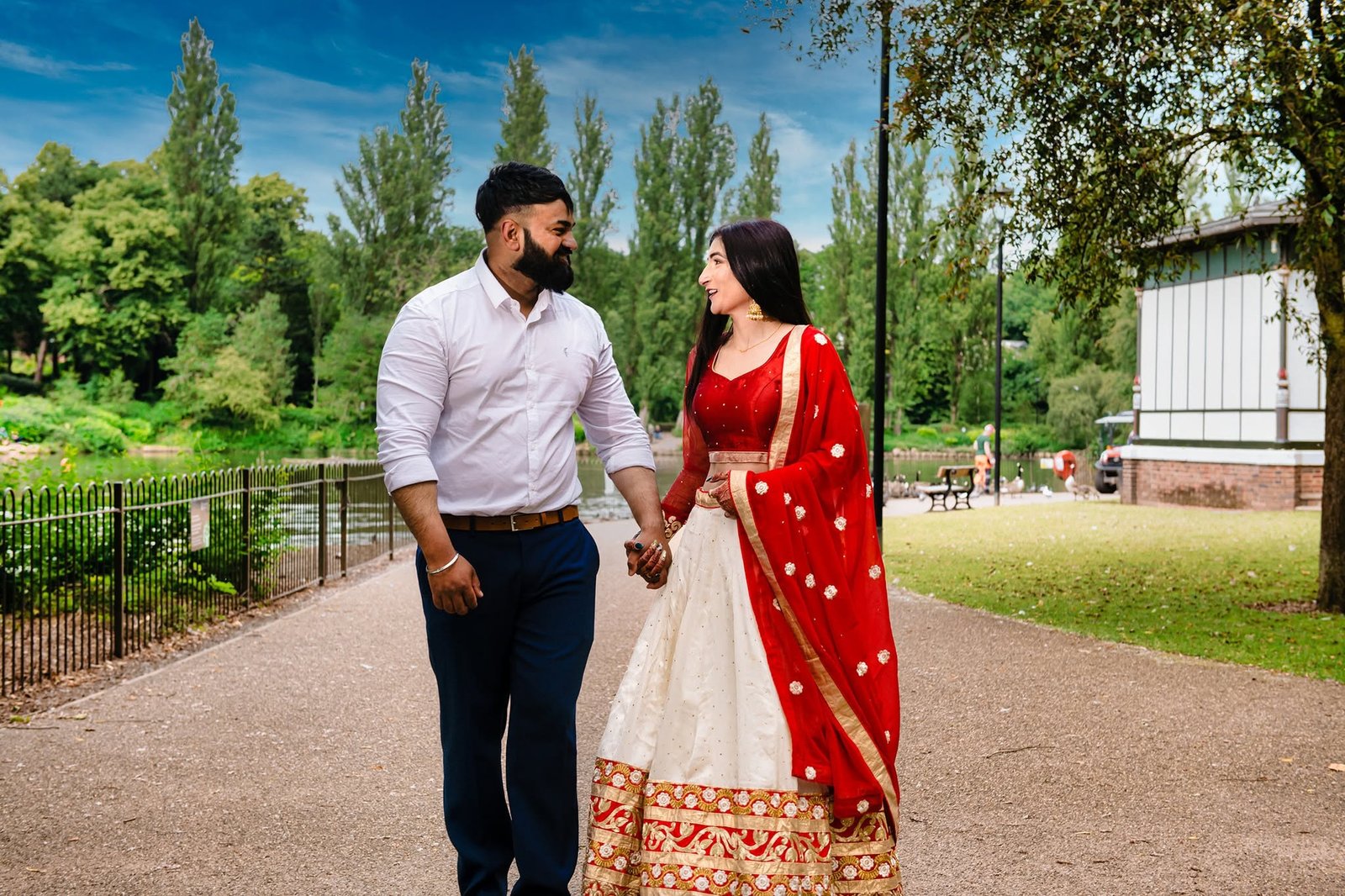
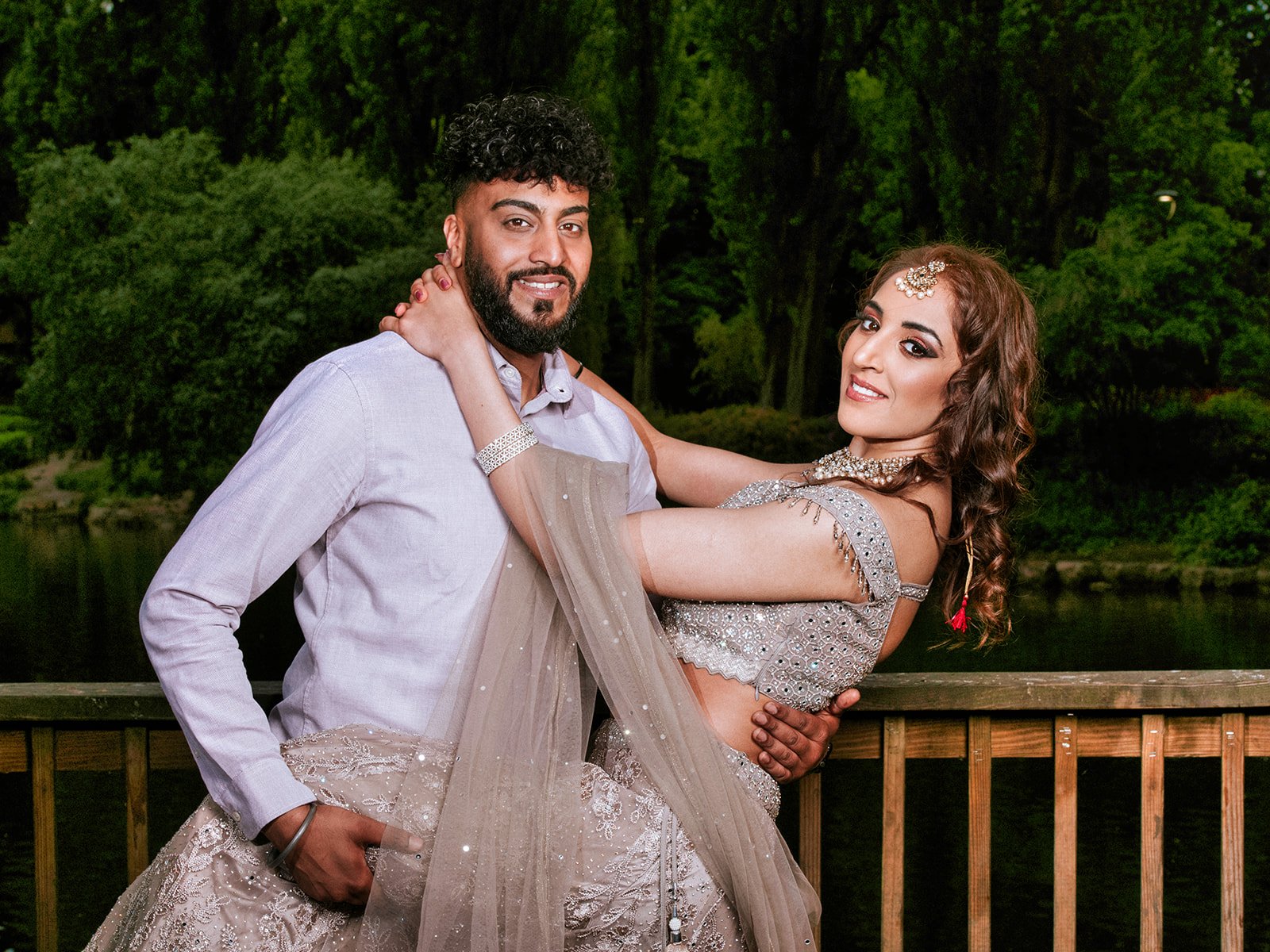
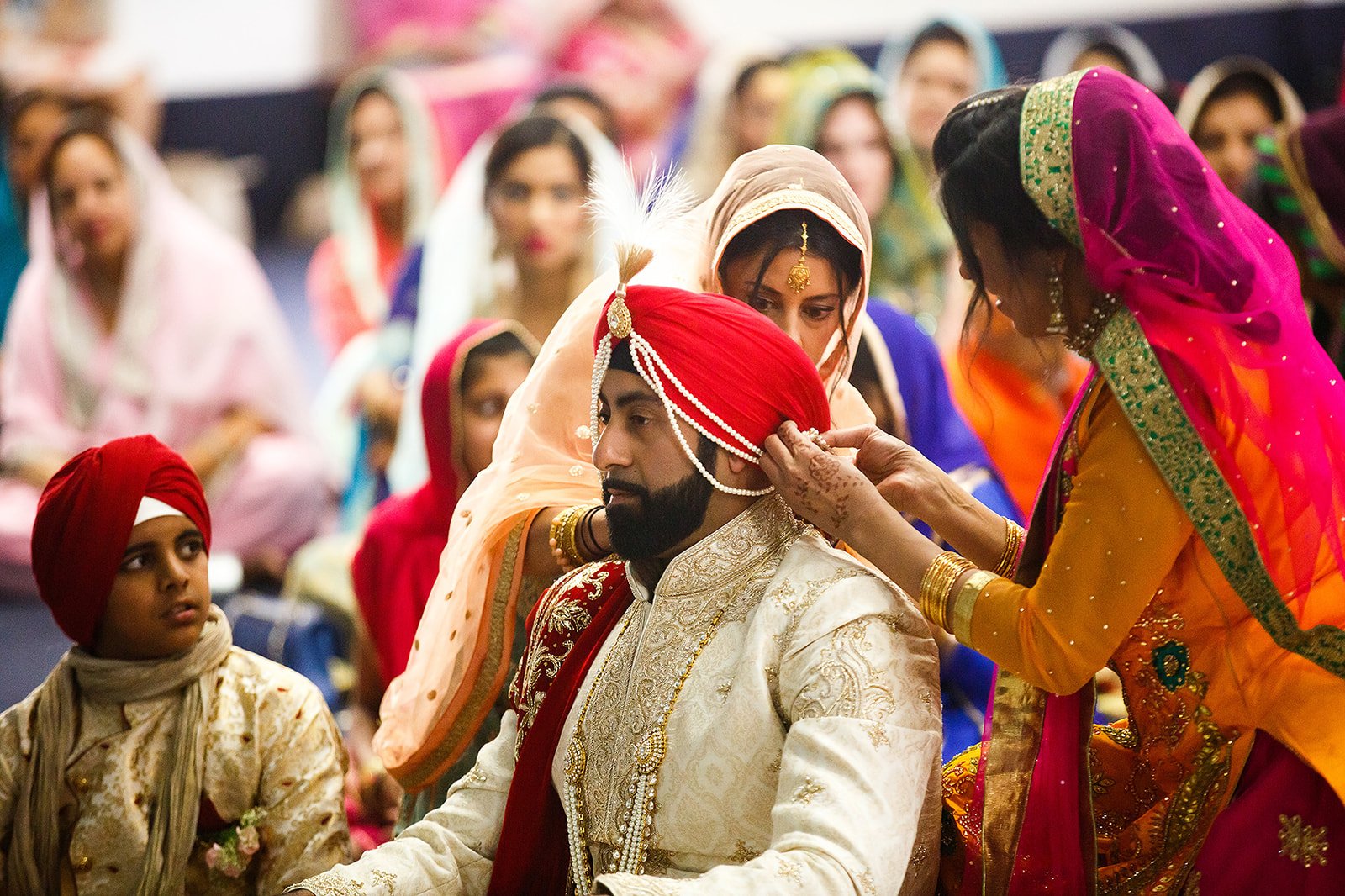
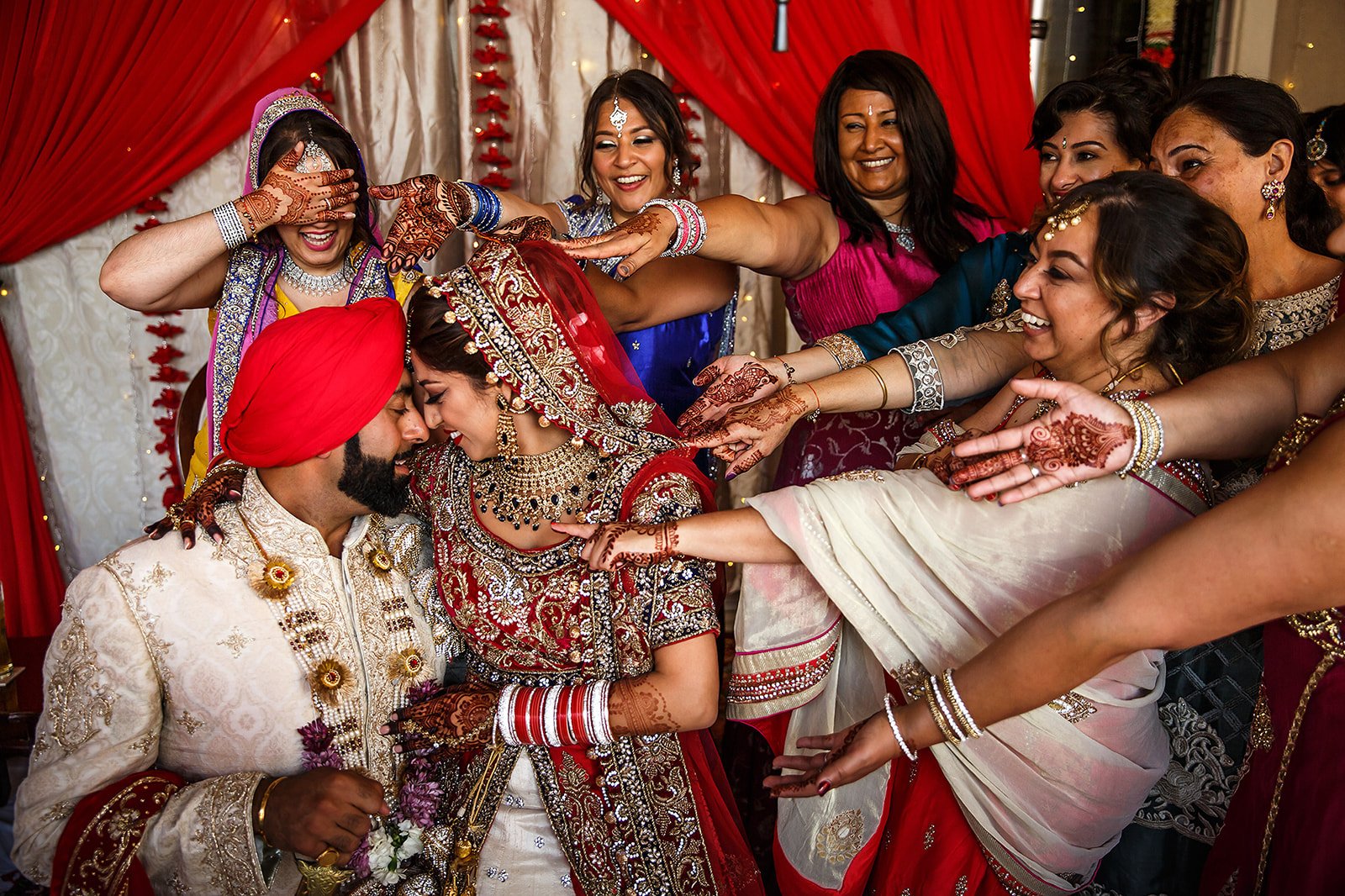
"Capturing the essence of your love before the I do."
- Diven Laxman, Lead Photographer & Founder, Ikonic Media Solutions
Cultural Expertise
Fluent in Every South Asian Tradition
You shouldn't have to explain your traditions to your photographer. Our team has spent over two decades immersed in South Asian ceremonies - we know where to be, when to be silent, and when to move closer.
Sikh Weddings (Anand Karaj)
Respectful, protocol-aware coverage at Birmingham's Gurdwaras.
- Milni & Arrival processions
- Anand Karaj Laavan
- Emotional Palla ceremony
- Doli & farewell moments
Hindu Weddings (Vivah)
Capturing intricate detail across multi-day Hindu ceremonies.
- Mandap & Vivaha Homa
- Saptapadi (Seven Steps)
- Mehndi, Haldi & Jago nights
- Bidaai & reception coverage
Muslim Weddings (Nikah)
Discretion and grace throughout Nikah and Walima receptions.
- Nikah contract signing
- Female-led teams available
- Segregated event coverage
- Walima reception films
Pre-Wedding Ceremonies
Dedicated coverage for all pre-wedding rituals across Birmingham.
- Mehndi & Haldi nights
- Maiyaan & Choora ceremonies
- Jago celebrations
- Sangeet evenings
Multicultural & Fusion
Bridging cultures - celebrating love that crosses every tradition.
- Sikh-Christian fusions
- Hindu-Muslim ceremonies
- African-Asian weddings
- Registry & civil ceremonies
Cinematic Wedding Films
4K storytelling that captures not just what happened - but how it felt.
- Cinematic 4K video production
- Drone aerial footage
- Same-day edit options
- 48-hour teaser trailers
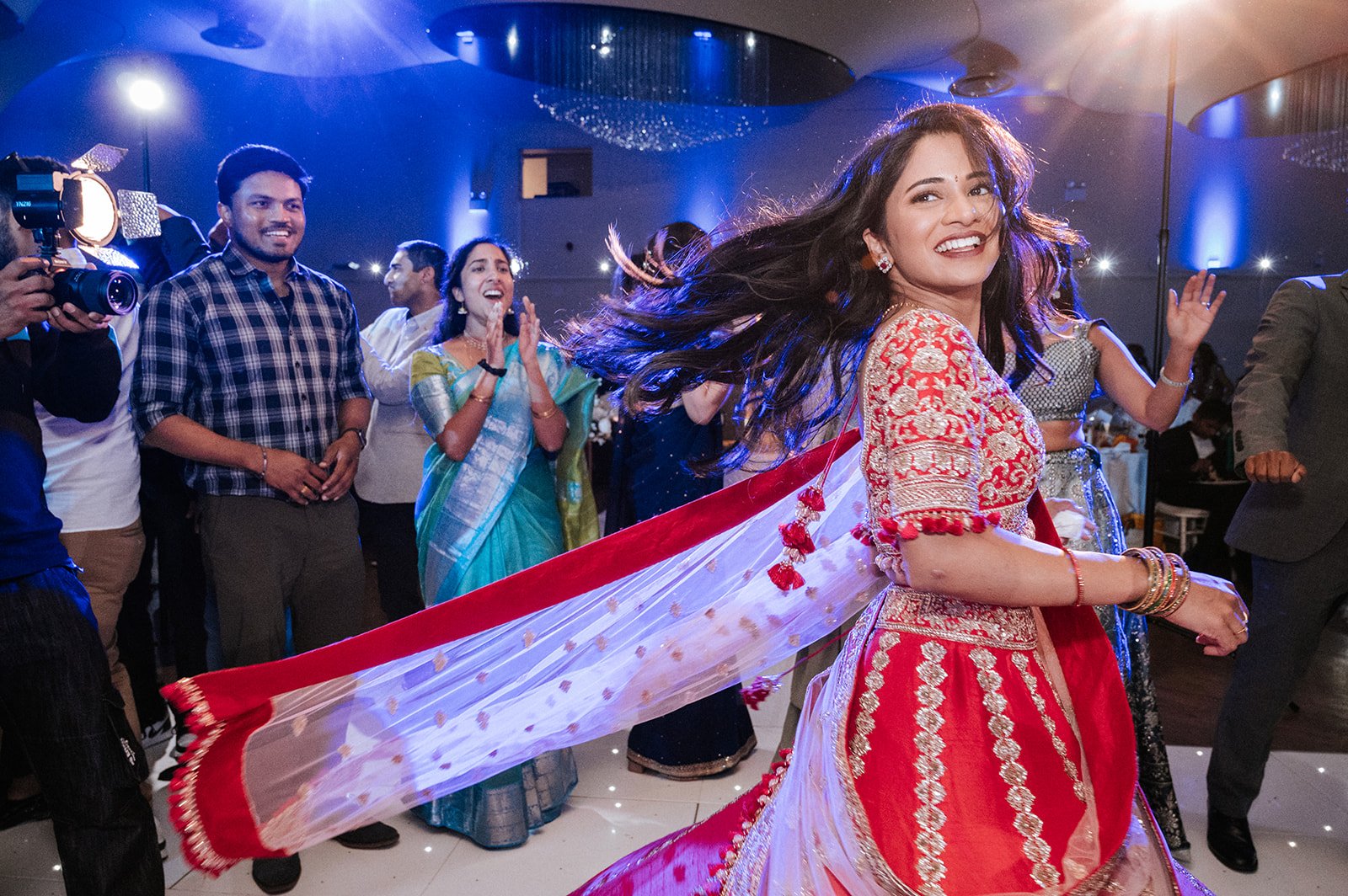
Every Detail. Every Emotion. Every Memory.
Ikonic Media Solutions
Newest Google Reviews
Recent Reviews. Real Wedding Stories.
The 10 newest published reviews on our Google Business Profile, checked on 16 October 2026.

“If you want a world-class wedding photographer and videographer in Birmingham, book Ikonic Media Solutions! The quality of our photos and 4K cinematic film exceeded every expectation. Diven made us feel so relaxed during both our pre-wedding shoot and the actual wedding day. 10/10 service!”
Read on Google →
“Finding a team that truly understands the scale and traditions of a high-end cultural wedding can be tough, but Ikonic Media Solutions nailed it completely. The aerial drone footage of our Birmingham venue added such a breathtaking, cinematic feel to our wedding film. Professional, talented, and an absolute joy to work with.”
Read on Google →
“Diven has an incredible eye for capturing raw, emotional moments. From our morning preparations to the final reception dances, Ikonic Media Solutions documented our Birmingham wedding in such a natural, documentary style. Every time we look at our photos, we are instantly transported back to that day. The best wedding photography service in Birmingham!”
Read on Google →
“Booking Ikonic Media Solutions was the best decision we made for our big day. Diven is a true professional and his 20 years of experience really shows. The cinematic wedding photos and video they produced for our Birmingham wedding are breathtaking. They handled the multi-camera setup effortlessly. The absolute best wedding photography and video package in the West Midlands!”
Read on Google →
“Ikonic Media Solutions is incredible! We started with a pre-wedding shoot in Birmingham which was so much fun and really helped us get comfortable in front of the camera. On the actual wedding day, their cinematic wedding videography and drone filming blew us away. The final 4K video looks like a movie. Highly recommend them for anyone looking for a top-tier Birmingham wedding videographer”
Read on Google →
“We hired Diven and the team at Ikonic Media Solutions for our Asian wedding photography in Birmingham, and we couldn't be happier! Diven captured all the vibrant colors, cultural traditions, and emotional moments perfectly. The luxury physical album we received is absolutely stunning. If you need the best wedding photographer in Birmingham, look no further!”
Read on Google →
“Reasonable price
We had an amazing experience with Diven and the Ikonic Media Solutions team for our little one's 1st birthday celebration. From start to finish, the team was professional, punctual, and incredibly easy to work with. They captured every special moment beautifully, and the photos and videos exceeded our expectations.
Thank you, Diven and the entire Ikonic Media Solutions team, for giving us memories we'll cherish forever. We were so impressed with your service that we've already booked you again for our second son's upcoming birthday. We can't wait to work with you again!
Services
Events and parties, Video editing, Newborn photography, Full-service video production, Family and group, Short film video production, Pet photography, Baby photography, Portrait photography, Videography, Special event productions, Photo editing, Film production services, Couples photography, Event video production”

“The absolute best decision we made for our wedding! Thank you to Diven and the Ikonic Media Solutions team for turning our special moments into timeless, cinematic art. They were professional, creative, and captured every tear, smile, and tradition perfectly. If you are looking for a luxury wedding photographer who truly understands how to tell a love story, look no further!”
Read on Google →
“Diven and the Ikonic Media Solutions team didn't just take photos; they beautifully captured the true emotion, culture, and story of our wedding day. They made us feel incredibly comfortable, blended in naturally, and delivered a gallery that looked like a cinematic movie. The quality, composition, and attention to detail exceeded all our expectations. If you want timeless, authentic memories, this is the team to trust. Highly recommended!
A Very Happy Couple”

“Unmatched Storytelling – The Best Photography Experience!
Working with Diven at Ikonic Media Solutions was an effortless experience from start to finish. If you are looking for a professional photographer who provides a calm, no-pressure environment, Diven is the one. He has an incredible talent for capturing natural, candid moments without making anything feel forced or awkward.
He caught the laughter, the quiet family glances, and all the emotional "in-between" moments that usually go unnoticed. When we received the images, we weren't just looking at photos; we were reliving the energy of the day. Diven doesn't just document an event; he tells a story. For high-quality event photography that holds deep meaning.
Positive
Quality, Professionalism”
Client Video Reviews
Hear It In Their Own Words.
Short client stories, delivered in fast-loading HD. Videos load only when you press play.
From Moments to Memories
How one photographer captured it all · 17 seconds
From Mother’s Words to Wedding Magic
A love-filled photo story · 34 seconds
Safety, Professionalism & Magic
One night, thoughtfully captured · 31 seconds
Real Wedding Films
Press Play. Feel the Whole Story.
Eight real celebrations, each filmed with its own rhythm, emotion and cultural detail. Tap any film to watch it here without slowing the page on first load.
This Tanzania Wedding Looks Like a Hollywood Film
Dar es Salaam destination wedding · 2:57
Watch on YouTube →The Choora Ceremony Where Every Bangle Tells a Story
Punjabi Choora ceremony · 5:18
Watch on YouTube →Inside Nish & Nav’s Beautiful Birmingham Punjabi Wedding
Punjabi wedding in Birmingham · 3:20
Watch on YouTube →This Countryside Asian Wedding Will Take Your Breath Away
Countryside Asian wedding · 3:18
Watch on YouTube →One Minute of Pure Luxury Wedding Cinema
Royal Wedding Cinema × Ikonic Media · 1:01
Watch on YouTube →From the UK to India: A Destination Wedding Worth the Journey
Destination wedding cinematography in India · 3:15
Watch on YouTube →The Most Emotional Moments From Jaffer & Helen’s Wedding
An intimate cinematic wedding story · 2:26
Watch on YouTube →A Birmingham Hindu Wedding That Feels Like Cinema
Anisha & Rohit’s wedding film · 3:28
Watch on YouTube →Frequently Asked Questions
Everything You Need To Know
Do you specialise in Asian weddings?
Yes. With 20 years of experience, we specialise in Sikh, Hindu, Muslim, and multicultural weddings. Our team understands the rituals, protocols, and cultural nuances of South Asian ceremonies intimately.
How far in advance should I book?
We recommend booking 6 to 12 months ahead, especially for peak season dates between May and September. Popular weekends fill quickly, so early enquiries are encouraged.
Do you offer combined photo and video packages?
Yes. Combined photography and film start from £1,500 for five hours or £2,500 for eight hours. We confirm your team, coverage and deliverables in a personalised written quotation.
Can you provide a female photographer for segregated events?
Yes. We have experienced female photographers and videographers available for Nikah ceremonies and any events that require female-only coverage.
Do you cover weddings outside Birmingham?
We cover weddings across the entire West Midlands, including Solihull, Wolverhampton, Coventry, Warwickshire, and beyond. We also travel for destination weddings nationally and internationally.
How long until we receive our photos and films?
Teaser trailers are typically delivered within 48 hours. Full photo galleries are ready within 4 to 6 weeks, and cinematic highlight films within 8 to 12 weeks of your wedding day.
Ready to Begin?
Let's Tell Your Story
Every love story deserves to be told beautifully. Get in touch for a free, no-obligation consultation and discuss your plans with Diven, who has personally covered more than 2,500 weddings.
Or call us directly: 07712 421218 | ikonicmediasolutions.co.uk
Straight Answers
Asian Wedding Photography in Birmingham — Answered
Why choose Ikonic for Asian wedding photography in Birmingham?
Ikonic Media Solutions is a wedding photography and cinematography studio based in Wednesbury, serving Birmingham and the West Midlands. The studio received Outstanding Achievement in the Wedding Videographer and Photographer of the Year category at the British Asian Wedding Awards 2026. The studio specialises in Sikh, Hindu, Muslim and mixed-faith weddings, covering multi-day celebrations from mehndi and sangeet through to the main ceremony and reception.
How much does an Asian wedding photographer cost in Birmingham?
Asian wedding photography is usually priced by event, because Sikh, Hindu and Muslim weddings often span two to four days of separate ceremonies. At Ikonic Media Solutions, single-event coverage starts from £850 for five hours, with multi-day collections tailored to your ceremony schedule. The introductory collection includes 250 edited high-resolution photographs, a photographer for five hours, a private online gallery available for three months, full printing rights, and a pre-wedding consultation.
Do you photograph Sikh, Hindu and Muslim weddings?
Yes. Ikonic Media Solutions photographs and films Sikh Anand Karaj ceremonies, Hindu pheras, Muslim nikahs and walimas, Gujarati ceremonies and mixed-faith weddings. The team knows each ritual's sequence and timing, so key moments — the laavan, the mangalsutra, the signing of the nikah nama — are anticipated rather than chased.
Which areas do you cover?
Ikonic Media Solutions is based in Wednesbury and covers the whole West Midlands — including Solihull, Wolverhampton, Coventry, Walsall and Sandwell — as well as weddings across the UK and destination weddings abroad.
How do we book?
Call 07712 421218 or enquire at ikonicmediasolutions.co.uk. Peak Asian wedding dates in Birmingham book 12–18 months ahead, so early enquiry is recommended for summer weekends.